Telecare with no monthly fee (or almost): the options in Spain in 2026 and which to choose
Updated 13 October 2026
In short: in Spain, telecare with a professional monitoring centre almost always comes with a monthly fee, usually between 10 and 30 € a month. There are four options with no fee (or almost): public telecare (free or with a co-payment depending on the region, but only at home), your phone's own SOS (free), one-off-payment buttons that alert the family and connected personal alarms, which also work outside the home. Which one suits you depends on whether the person goes out alone and whether they use a mobile phone.
What paid telecare costs
To give you a benchmark, these are the rough prices published by Selectra and, in Durcal's case, by the manufacturer itself (always check the current price):
| Service | Where it works | Rough price |
|---|---|---|
| Cruz Roja, the Spanish Red Cross (at home) | At home | 25–30 €/month |
| Cruz Roja (mobile app) | Outside the home | 10–15.50 €/month |
| Durcal watch | Inside and outside | From about 20 €/month |
| Alarm companies (Securitas, Movistar Prosegur…) | Depends on the product | From about 30 €/month |
They're good services, but over a year they cost between 120 and 360 €. That's why a lot of people look for alternatives.
The 4 options with no fee (or almost)
1. Public telecare
It's offered by the social services of your local council or regional government. You apply there and, after an assessment, they install a unit at home with a button (pendant or wristband) connected to a 24-hour monitoring centre. Depending on the region, it's free (for example, in Castilla-La Mancha) or has an income-based co-payment (for example, in Zaragoza).
- For: a professional monitoring centre, and free or very cheap.
- Against: you have to go through an assessment, there may be a waiting list and it's designed for the home. If the person falls in the street, it's no use.
2. Your phone's own SOS
iPhones and most Android phones have an emergency feature (pressing the side button several times) that calls the emergency services and sends your location to contacts you've set up. It's free and built in.
- For: it costs nothing. Set it up today on your mum's or dad's phone.
- Against: you need the phone in your hand and to remember the gesture in a moment of panic. Many older people can't manage it.
3. One-off-payment SOS buttons
These are pendants or keyrings with a SIM card that, when pressed, call or text several family members. You buy them once.
- For: they work without a smartphone.
- Against: they need a SIM with credit (which also costs something every month), they're usually set up by text message and no professional handles the alert. If the family don't pick up, nothing else happens.
4. A personal alarm connected to your phone
A keyring that pairs with the phone over Bluetooth. When it's set off, the phone alerts the family with the person's real-time location. Some let you add a professional monitoring centre when needed. We explain it in detail in A personal alarm that alerts your contacts.
- For: it works inside and outside the home, it goes off with a simple movement and the family can see where the person is.
- Against: the person has to carry their phone (the alert is sent from it). It doesn't detect falls.
Quick comparison
| Public | Phone SOS | Button with SIM | Connected alarm | |
|---|---|---|---|---|
| Cost | Free or co-payment | Free | One-off payment + SIM | One-off payment + optional plan |
| Outside the home | No | Yes | Yes | Yes |
| Alerts the family | The centre does it | Yes | Yes | Yes, with live location |
| Professional monitoring centre | Yes | No (calls 112) | No | Optional |
| Needs a smartphone | No | Yes | No | Yes |
Which to choose, case by case
- Lives alone, rarely goes out and doesn't use a mobile: apply for public telecare. It's the best and cheapest option.
- Goes out alone for walks or errands and carries a mobile: a connected personal alarm, because it covers exactly what the public service doesn't.
- High risk of falls: look for a service with fall detection (usually paid) and add the rest on top.
- Whatever the case: set up the SOS on their phone today. It's free.
The options aren't mutually exclusive: lots of families combine public telecare at home with a personal alarm for when they go out.
Where FlamAid fits in
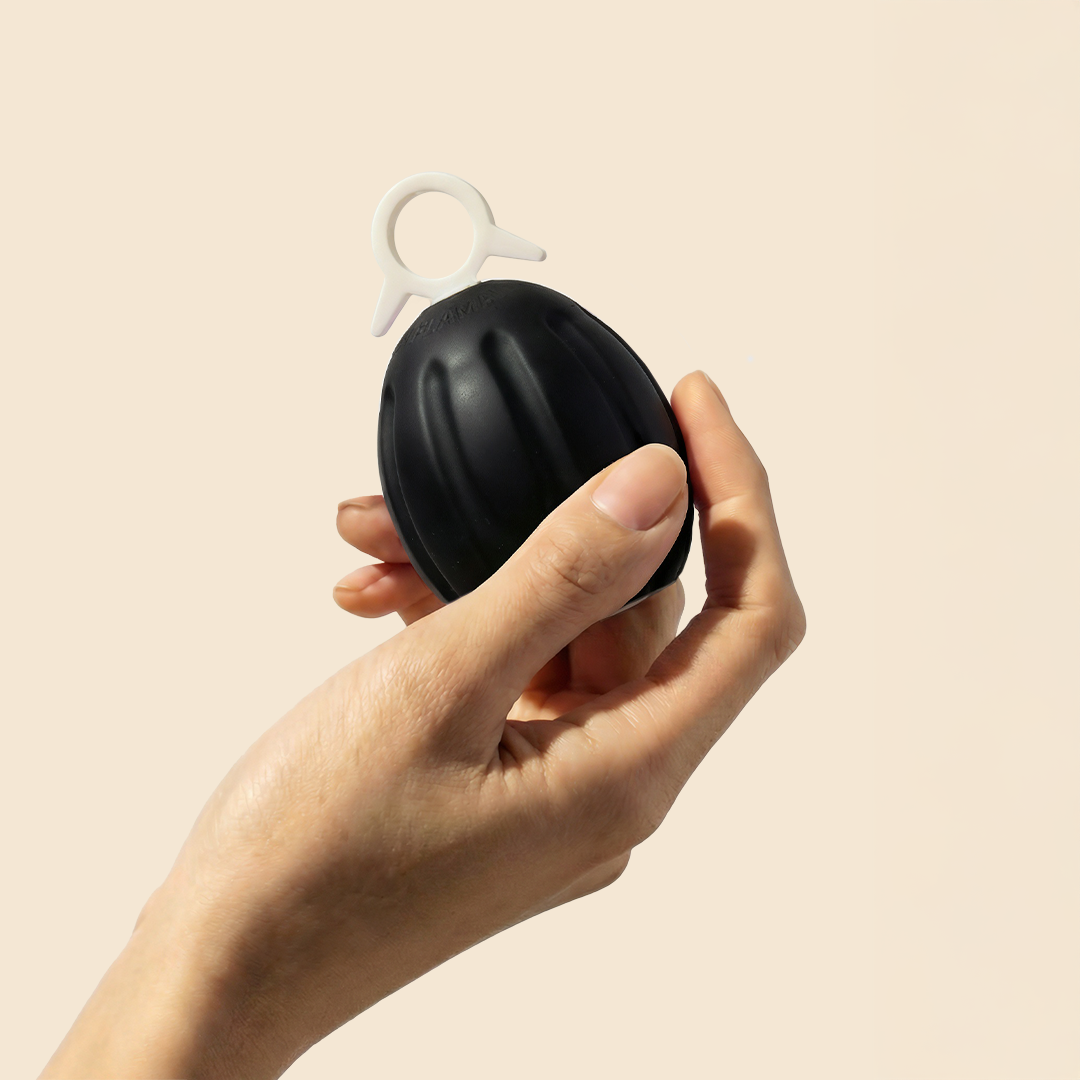
FlamAid Pro is one of the few options that genuinely works outside the home with no fee. It's a connected personal alarm: it hangs from your keys, goes off when you pull the ring and alerts the family with the person's real-time location. It also sounds at 110 dB so people nearby notice. The battery lasts up to 15 days and the app lets you know when it needs charging.
- One-off payment: from 49 €, with free delivery to mainland Spain, a 3-year warranty and 30-day returns.
- Alerts to the family, free: alerts to your contacts with real-time location work with no fee. Your family just need the FlamAid app, which is also free.
- Live video and audio from the alert: with the Basic plan, 3 €/month.
- 24/7 alarm monitoring centre: if you want professionals, as well as the family, to handle the alert at any hour and contact the emergency services if needed, the Premium plan costs 7 €/month (Spain only). The first month is included with the device.
No minimum term: you can change plan or cancel whenever you like.
Frequently asked questions
Is Cruz Roja's telecare free?
The service Cruz Roja (the Spanish Red Cross) provides on behalf of social services can be free or involve a co-payment, depending on your region. The one you take out directly with Cruz Roja is paid: from about 10 €/month for the app version and from about 25 €/month for the home version.
How do you apply for public telecare?
Through your local council's social services. They'll carry out an assessment and, if you meet the requirements, they'll install the equipment at home.
Does telecare work outside the home?
The traditional kind, with a button and a unit at home, doesn't. For outside the home you need a mobile version (an app, a watch with a SIM or a connected personal alarm).
Is there anything that detects falls with no fee?
Some smartwatches detect falls and send an alert without a service fee, but they tend to be expensive and depend on the person remembering to wear them and charge them.
Does my mum need to know how to use a mobile to carry FlamAid?
She just needs to carry her phone with the FlamAid app installed. You can do the setup for her, and to ask for help all she has to do is pull the ring.