A personal alarm that alerts your contacts: how it works and which to choose
Updated 13 October 2026
In short: a "keyring" personal alarm makes a lot of noise, and that's it. A connected personal alarm makes noise and also alerts the people you choose, with your location in real time. If what you want is for someone to know you need help, you need the second kind. This guide explains how they work, what to check before buying one and what their limits are.
Keyring siren or connected alarm: the difference
Amazon has dozens of personal alarms for under 15 €. They're sirens: you pull a ring, a very loud noise goes off and you hope someone nearby hears it and comes over. They're good for drawing attention and buying a few seconds, but they don't alert anyone. If you're on your own on an empty street, nobody will know.
A connected alarm pairs with your phone over Bluetooth. When you set it off, the phone does the rest: it sends an alert to your trusted contacts, shares where you are and, depending on the model, starts recording or passes the alert on to a professional monitoring centre.
| Keyring siren | Connected personal alarm | |
|---|---|---|
| Siren | Yes | Yes |
| Alerts your contacts | No | Yes, instantly |
| Shares your location | No | Yes, in real time (your phone's) |
| Records what happens | No | Some models |
| 24/7 alarm monitoring centre | No | Some models, with a subscription |
| Needs your phone | No | Yes, to send the alert (the siren goes off regardless) |
| Rough price | 5–20 € | 40–80 € + optional plan |
How a connected personal alarm works, step by step
- You keep it to hand. On your keys, your handbag or your rucksack. If you have to dig around at the bottom of your bag to use it, it's no good.
- You set it off with one movement. The best is something you can do without looking and with shaking hands, like pulling a ring. A tiny button you have to press three times isn't it.
- The siren goes off. The noise gets the attention of people around you and usually throws whoever is bothering you.
- Your phone sends the alert. At the same time, the app alerts your contacts with your GPS location, which keeps updating if you move.
- Someone responds. Your contacts can see where you are and can call you, come to you or call the emergency services. With an alarm receiving centre, there are also professionals keeping watch 24 hours a day.
What to check before you buy one
1. Who it alerts (and how)
This is the most important part. Check that the alert reaches your contacts' phones as a notification, with your location included, and not as a text message that depends on phone credit. Also ask whether your contacts need to install an app and whether they can see your position in real time or just a fixed point.
2. How you set it off
Under stress, your fine motor skills go out of the window. Look for a big movement that's hard to do by accident: a ring you pull is more reliable than a tiny button.
3. The siren
Decibels matter, but they're not everything. From around 110 dB, a siren can be heard from quite a distance in the street. More important than gaining 10 dB on paper is that the siren can't be switched off easily and that the casing can take a knock. We go into more detail in Do personal alarms actually work?
4. The battery
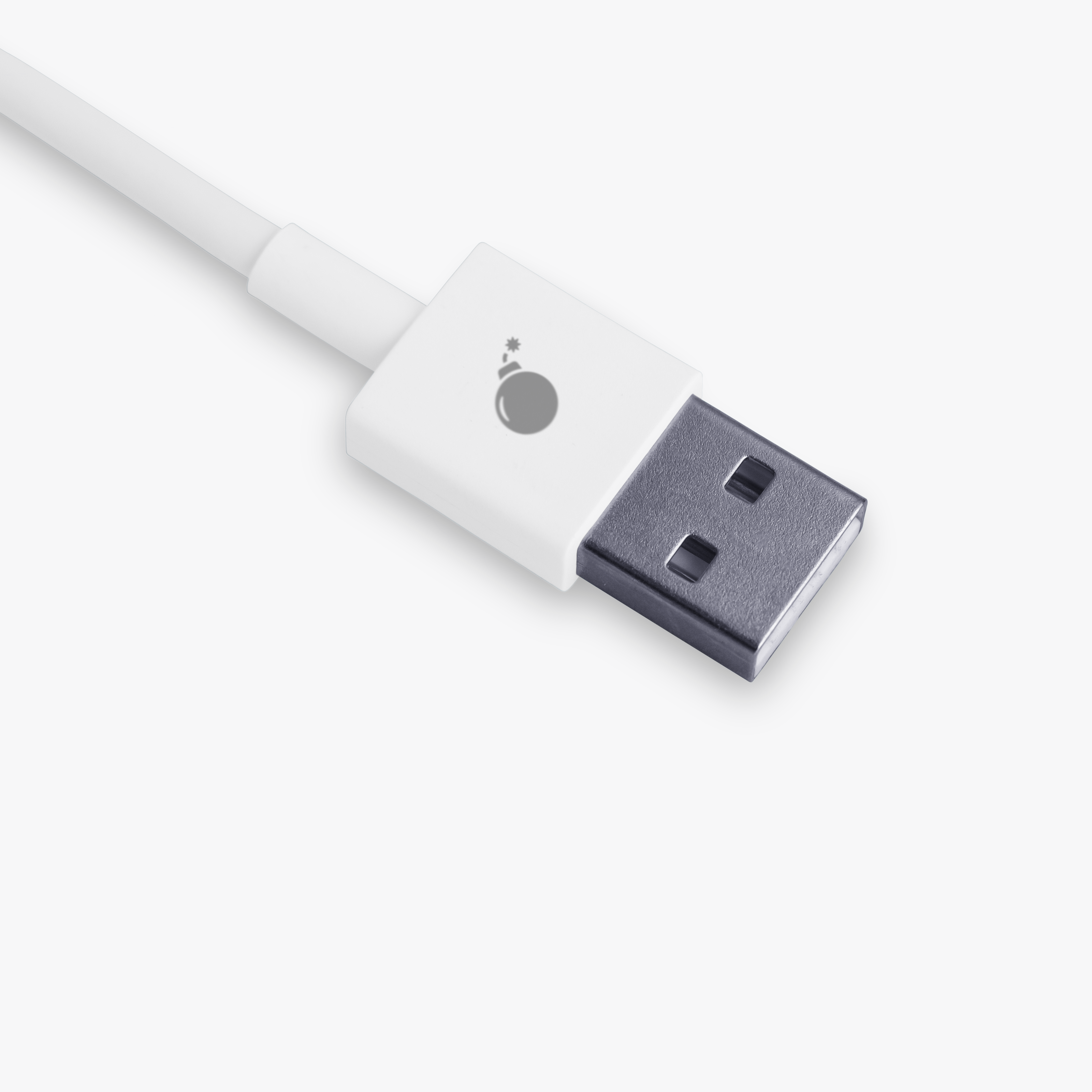
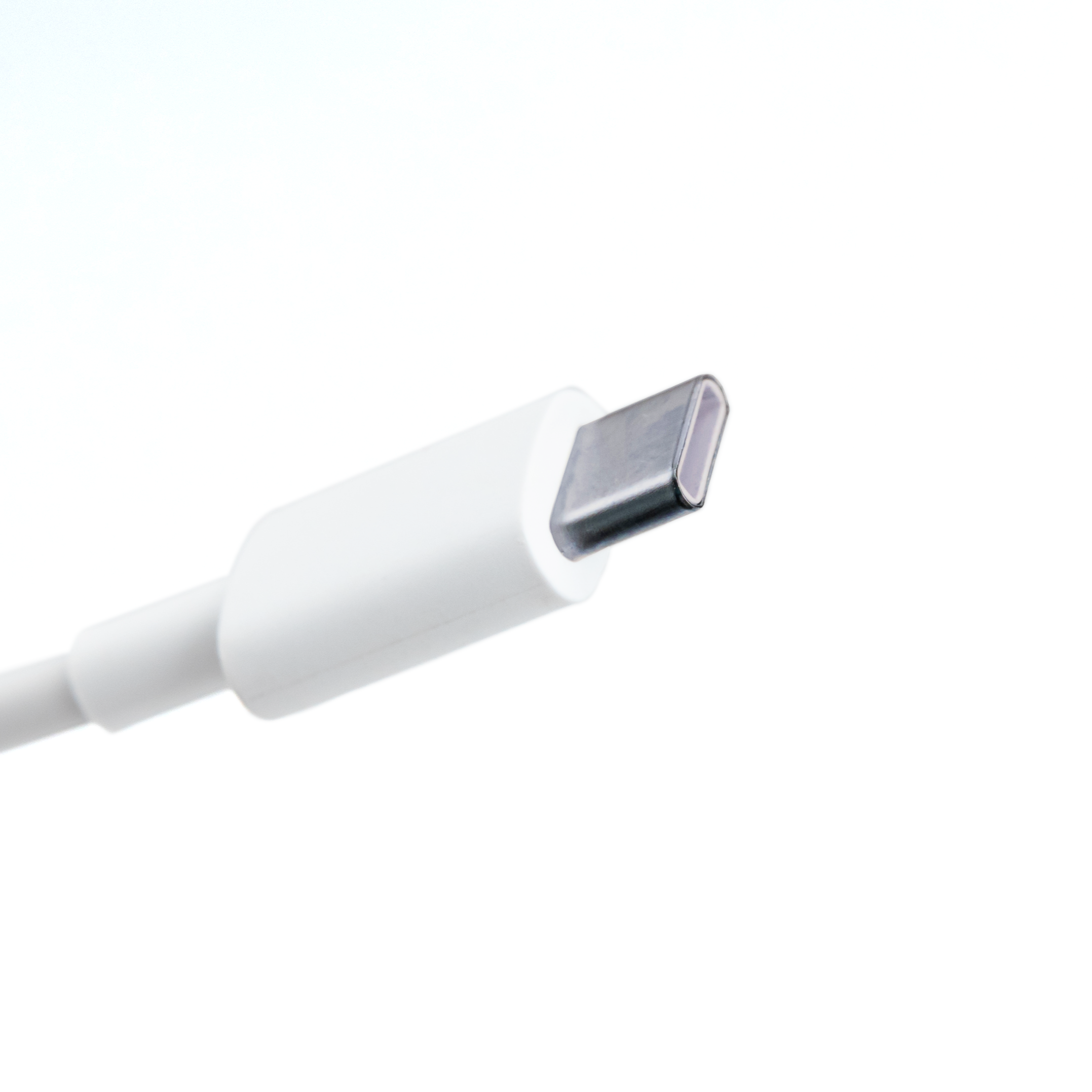
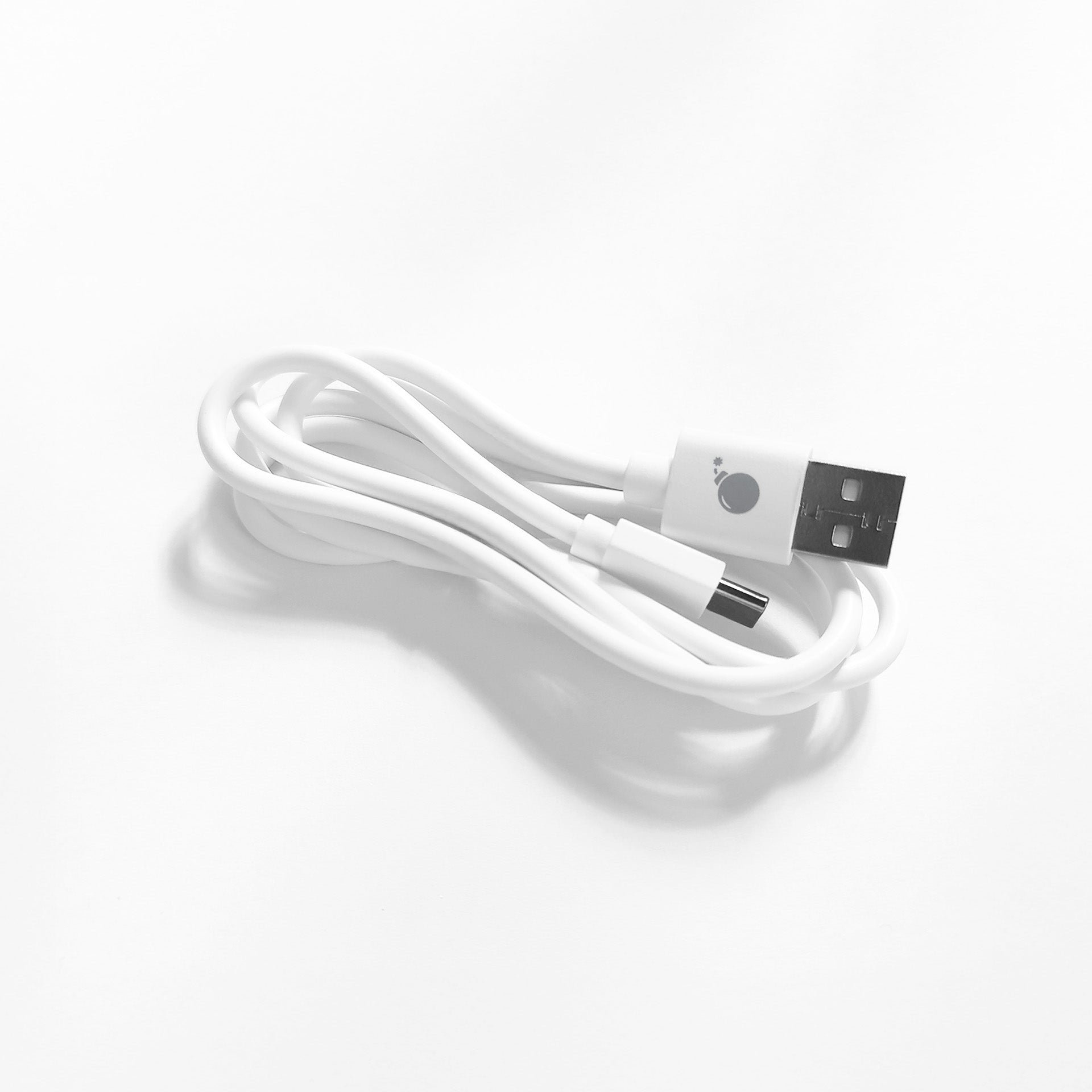
A flat device protects no one. Check how many days it lasts on one charge, how it charges (USB-C is the easy option) and whether the app warns you when it's running low.
5. Whether it records
Having video and audio recorded from the very first second can be useful afterwards to understand what happened or to report it to the police.
6. What happens if nobody is available
Your contacts might be asleep, in a meeting or out of signal. That's why some services offer an alarm receiving centre (ARC): professionals who receive the alert at any hour, follow it up and, if needed, alert the emergency services. It's the same thing many home alarms have, but it goes with you.
7. Fees and minimum terms
Check what works without paying anything each month, what the subscription adds and whether you can cancel at any time.
Its limits (so nobody sells you hot air)
- It needs your phone nearby and with signal to send the alert. The alarm works over Bluetooth: the location and the alert are sent from the phone. With no phone or no signal, the siren still goes off, but no alert gets through.
- It doesn't replace 112 (the emergency number in Spain). If you can call the emergency services, call them.
- It doesn't prevent an assault. It helps you draw attention and lets someone know sooner. Which is no small thing.
How FlamAid does it
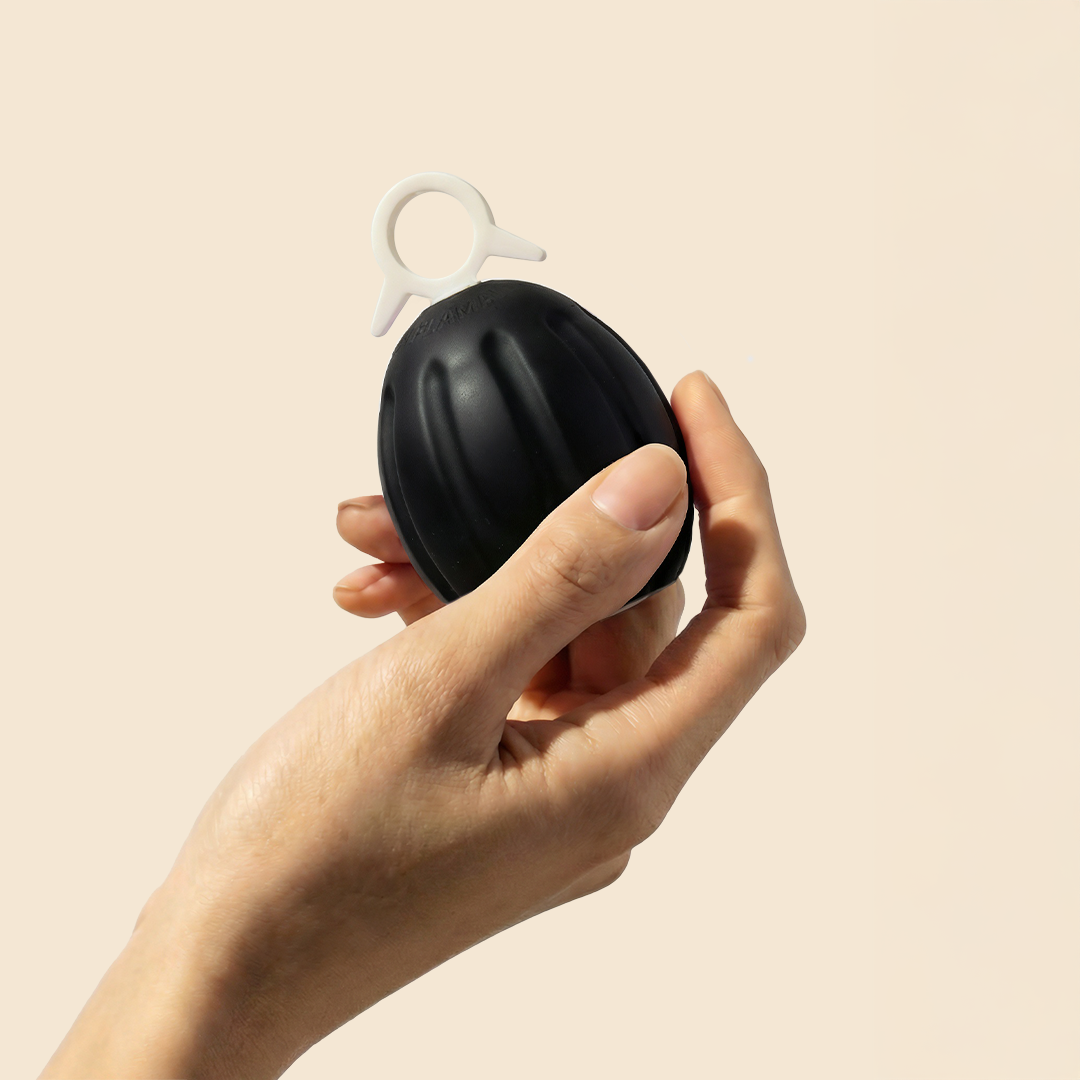
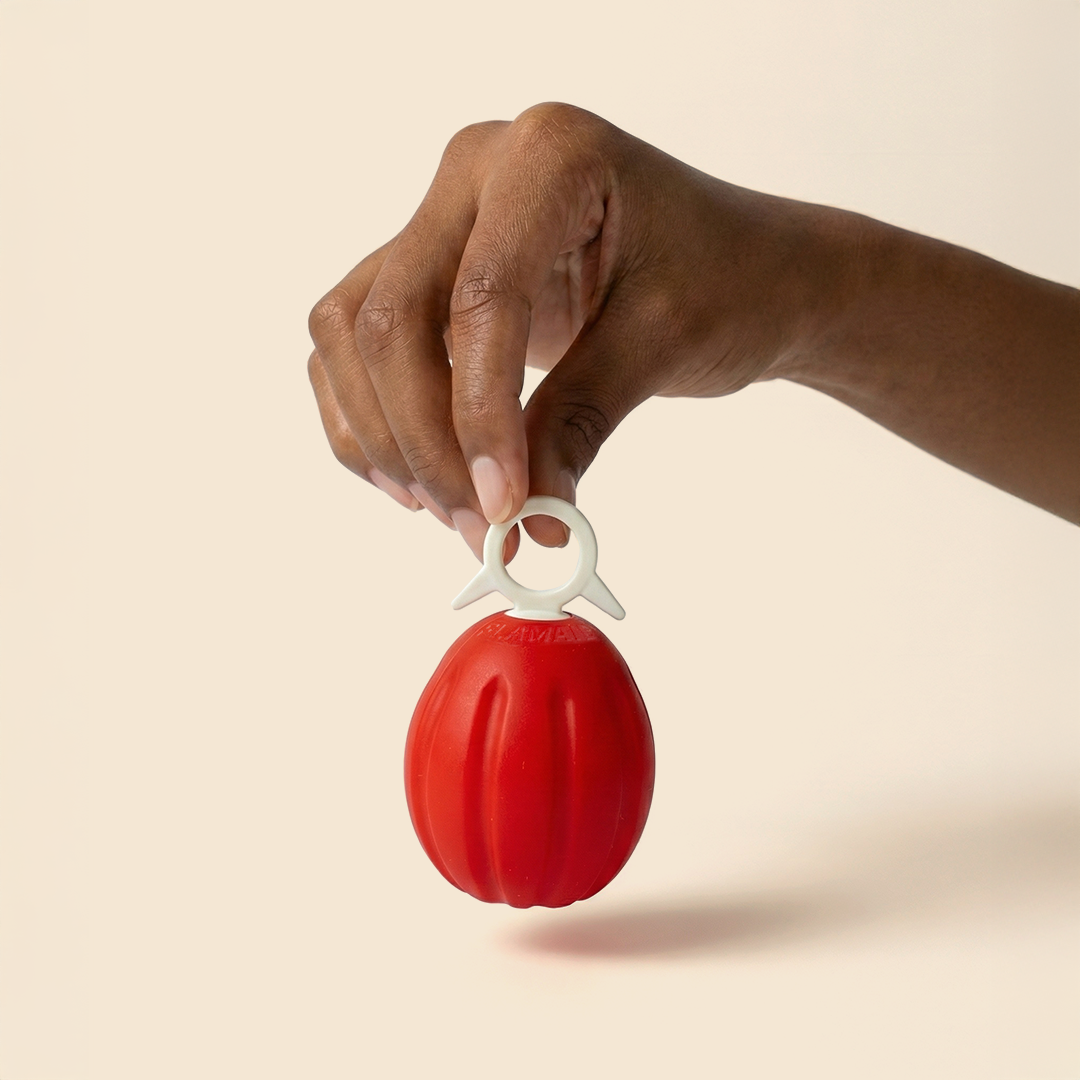
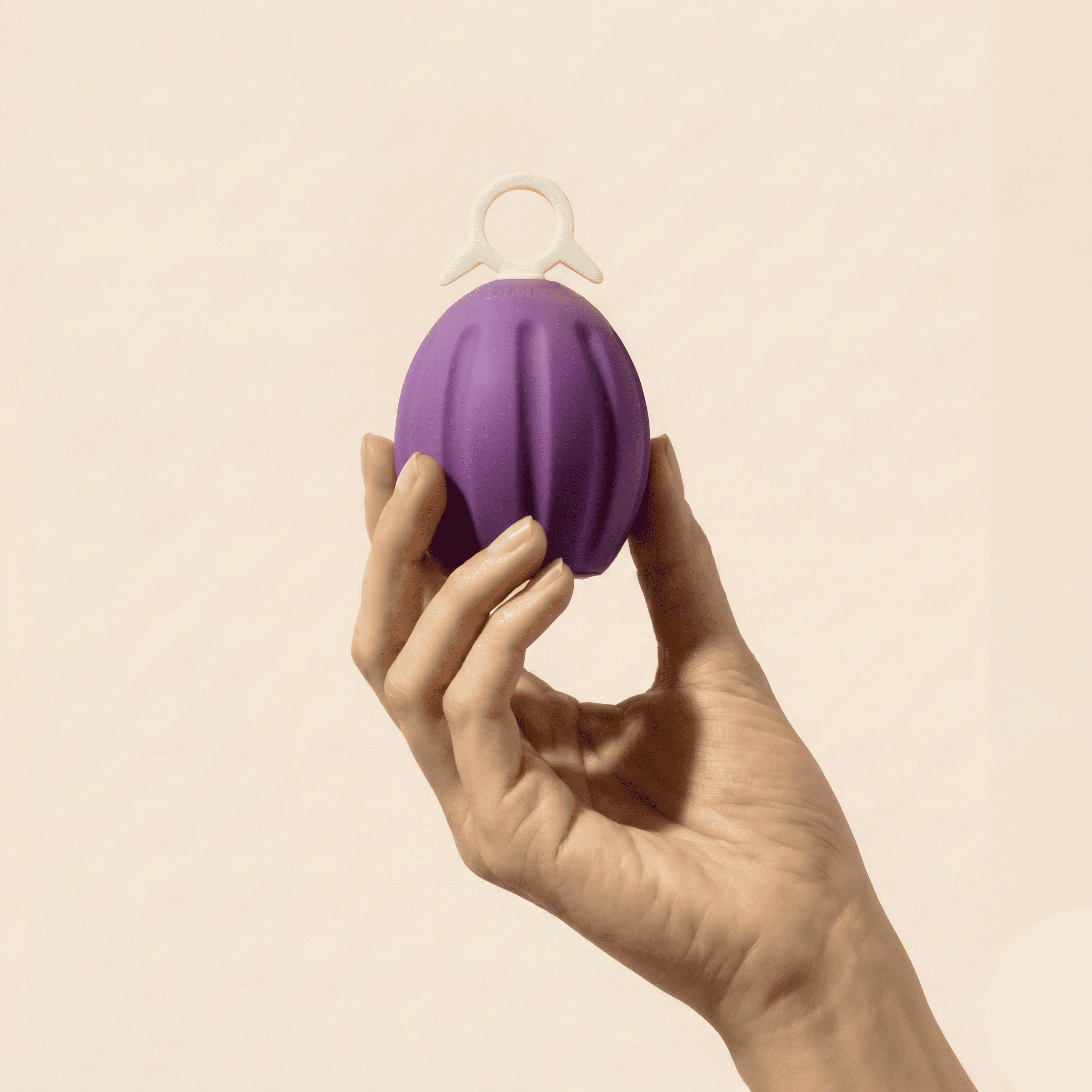
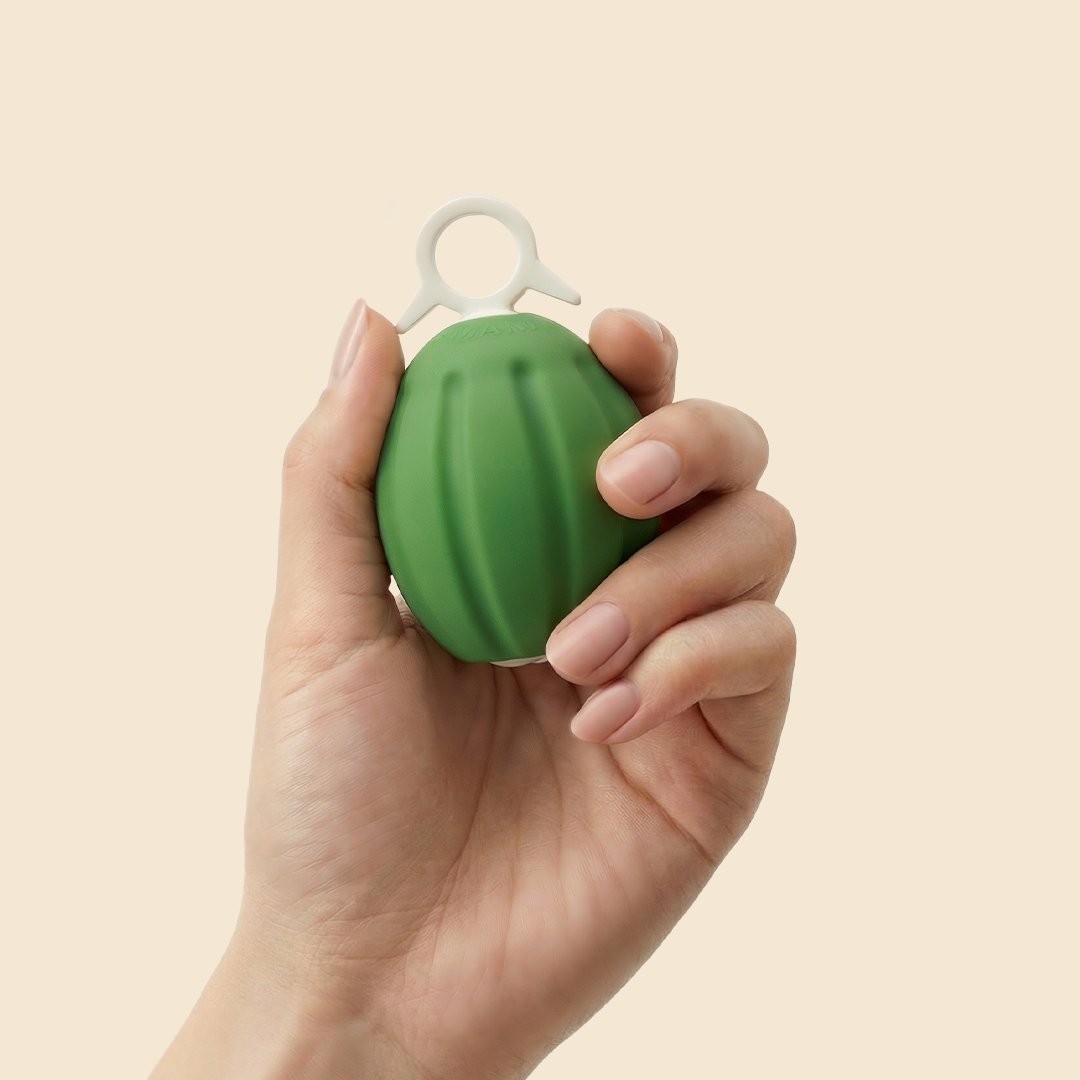
FlamAid Pro is a connected personal alarm from a Spanish company, designed to be carried on your keys or your bag:
- You set it off by pulling the ring, one single movement.
- 110 dB siren: you can hear it a couple of streets away.
- Instant alert to your contacts with your real-time GPS location, through the FlamAid app (iOS and Android).
- No compulsory fee: alerts to your contacts and real-time location work on the free plan.
- Up to 15 days of battery with normal use. The app lets you know when it needs charging.
- Silicone that stands up to knocks and the weather, 3-year warranty and 30 days to return it.
It costs from 49 € and includes a free month of FlamAid Premium, the plan that connects your alert to a 24/7 alarm receiving centre: professionals who handle the alert and contact the emergency services if needed (available in Spain). No minimum term: afterwards you can stay on Premium (7 €/month), switch to Basic (3 €/month, which adds live video and audio from the alert) or carry on for free with alerts to your contacts.
And if you don't want to carry anything yet, the FlamAid app is free and has its own panic button.
Frequently asked questions
Does it work without internet?
The siren always does. To alert your contacts and send your location, your phone needs a data connection.
Do my contacts have to pay anything?
No. They just need the FlamAid app, which is free, to receive the alert with your location. If you add someone who doesn't have it, they get an invitation to install it.
Does it alert the police?
A connected alarm alerts your contacts. For a professional centre to handle the alert and contact the emergency services, you need a service with an ARC: with FlamAid, that's the Premium plan, available in Spain.
Is it suitable for older people?
Yes, especially for those who go out alone for a walk or to run errands. Unlike traditional telecare, which only works at home, it goes wherever the person goes. They do need to carry their phone with them, though.
Does it make a good present?
It's one of those presents that brings the most peace of mind to the person giving it. If you're giving it to your daughter or your mum, add yourself as a trusted contact when you set it up.