An alarm receiving centre for people (not homes): what it is and how it works
Updated 13 October 2026
In short: an alarm receiving centre (ARC) is a centre staffed by professionals who receive emergency alerts 24 hours a day and decide what to do with each one. Until now they mostly watched over homes and businesses. An ARC for people does the same, but for you: when you ask for help from your personal alarm or your phone, a professional receives the alert with your location, checks what's going on and, if needed, alerts the emergency services. That way you're not relying on your contacts being awake and having their phone to hand.
What an alarm receiving centre is
It's where alarm signals end up. When a home alarm goes off, it doesn't call the police directly: it first alerts a monitoring centre, where an operator checks whether it's real (listens in, looks at the cameras, calls the owner) and only then sends whoever is needed. That filter stops the police turning out for thousands of false alarms.
In Spain, these centres are run by private security companies authorised by the Ministry of the Interior, under the Private Security Act (Ley de Seguridad Privada).
Why it makes sense for a person
Ordinary apps and personal alarms alert your trusted contacts. That works really well… if they answer. But at three in the morning your mum is asleep, your partner has their phone on silent and your friend's battery is dead. That's where a monitoring centre changes things:
| Contacts only | Contacts + monitoring centre | |
|---|---|---|
| Who receives the alert | Your contacts | Your contacts and professionals |
| At 3 in the morning | Depends on someone seeing it | There's always someone there |
| They know what to do | Not necessarily | Yes, they follow a protocol |
| They alert the emergency services | If your contacts call 112 | The centre does it if needed |
| They check whether it's real | No | Yes, before sending anyone |
What happens, step by step, when you ask for help (how it works with FlamAid)
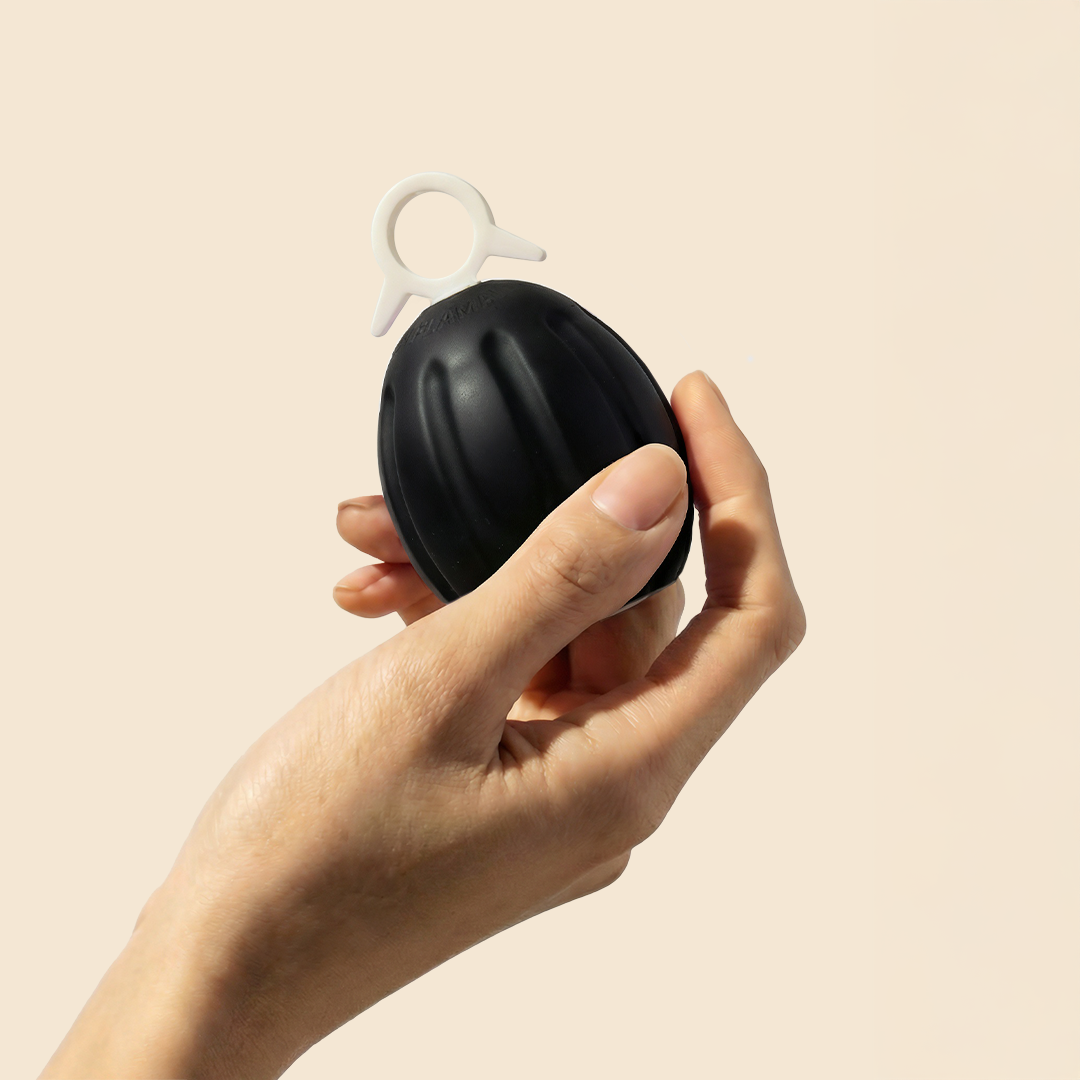
- You set off the alarm. You pull the ring on your FlamAid or press the panic button in the app. The siren goes off and your contacts receive the alert with your location, as usual.
- You have 20 seconds to cancel it. A prompt appears on your phone: "Yes, send now" or "No, cancel alarm". If it was a mistake, you cancel it with Face ID or your phone's PIN and nobody is sent out. If you don't touch anything, the alert goes ahead on its own: you don't need to do anything else.
- The centre receives the alert within seconds with your location.
- They work out what's happening. If needed, the centre can listen to the audio from the alert to get a sense of the situation even if you can't speak.
- They check. They call your two call contacts. If they get through to you and you're fine, you just give your code word.
- They act. If the emergency is real, they alert the emergency services and give them your location.
At FlamAid, the monitoring centre is run by Grupo Control, a security company with an approved alarm receiving centre that operates 24 hours a day (La Voz de Almería reported on it here). And it's not just theory: in September 2026, a young woman in Almería set off her FlamAid after being assaulted in the early hours and the centre alerted 112 (the news story).
The duress word
As well as your code word, you set up a duress word. If someone forces you to pick up the phone and say everything is fine, you say that word instead of your code word. It sounds normal to whoever is next to you, but the centre knows you need help.
ARC for people, telecare and 112: the differences
- 112: this is the emergency number in Spain and should always be your first option if you can call. But you have to call and talk, and that's not always possible.
- Traditional telecare: it also has a monitoring centre, but it's designed for older people at home, with a fixed unit. Outside the home it's no use. We explain it in Telecare with no monthly fee.
- ARC for people: it goes with you anywhere in Spain, you set it off with one movement and the centre can listen to what's happening without you having to speak.
What you need to have it
- The FlamAid Premium plan: 7 €/month or 79 €/year, no minimum term. It's only available in Spain.
- Your phone on you, with the FlamAid app and signal. It's the phone that sends the alert.
- Completing sign-up in the app: two call contacts, your code word, your duress word and your home address.
If you buy a FlamAid Pro, the first month of Premium is included. You can also use it without the device, from the panic button in the app.
Frequently asked questions
Does the centre alert the police?
If it confirms the emergency is real, it alerts the emergency services, who then send the police, an ambulance or the fire service depending on the case.
What happens if I set it off by accident?
You have 20 seconds to cancel it from your phone with Face ID or your PIN. If you miss that window, the centre will check before sending anyone, and if they get through to you, you just give your code word.
Does it work outside Spain?
No. The centre only handles alerts in Spain. Outside Spain, FlamAid still alerts your contacts with your location.
Do I have to talk to the centre to get help?
Not necessarily. The centre has your location and can listen to the audio from the alert, so it can act even if you can't speak.
Does it detect falls?
No. The alert is triggered by pulling the ring or pressing the panic button.
How is it different from a home alarm?
A home alarm watches over a place; this one watches over you. The way the centre works is the same: receive the alert, check and act.