Do personal alarms actually work? Decibels, legality and limits
Updated 13 October 2026
Short answer: yes, but for two specific things. A personal alarm is there to draw attention and to throw whoever is bothering you, and that gives you a few seconds to get away or ask for help. If it's also connected to your phone, it does a third thing: it lets someone know you need help and where you are. What it doesn't do is protect you on its own or replace 112 (the emergency number in Spain).
What a personal alarm does (and doesn't do)
| It does | It doesn't |
|---|---|
| Make a very loud noise that can be heard from far away | Stop anyone in their tracks |
| Break the situation: whoever is bothering you suddenly has an audience | Guarantee that someone will come to help |
| Give you a few seconds to get away | Call the emergency services (unless it's connected to a monitoring centre) |
| Alert your contacts with your location (connected ones only) | Send an alert if there's no phone nearby (connected ones) |
Basic sirens rely on someone nearby hearing the noise and deciding to come over. On a busy street they work well. In an empty car park at three in the morning, much less so. That's why more and more people prefer an alarm that, as well as sounding, alerts their contacts.
How many decibels do you need?
For reference, a normal conversation is around 60 dB and heavy traffic about 85 dB. From roughly 110 dB, more or less the volume of a concert, the siren clearly stands out over street noise and is very unpleasant up close.
Be wary of the numbers on the box. Lots of cheap sirens advertise 130 or 140 dB, but they don't usually say at what distance it was measured. Sound drops by about 6 dB every time the distance doubles, so a figure measured right next to the speaker tells you little about how it sounds 20 metres away. Rather than chasing the highest number, look at three things:
- That it sounds above roughly 100–110 dB.
- That it can't easily be switched off by snatching it out of your hand.
- That the casing can take knocks and rain.
Is it legal to carry a personal alarm in Spain?
Yes. A sound alarm isn't a weapon: it doesn't injure or restrain anyone, it just makes noise. You can carry it on your keys, in your bag or clipped to your rucksack without any kind of licence. The same isn't true of other self-defence products, such as sprays, which have their own legal requirements. Personal alarms don't have that problem.
When they help most
- Walking home at night, on your own or along quiet stretches.
- Running or walking in out-of-the-way places.
- Older people who go out alone and could fall or get disorientated: here what matters isn't the siren, it's the alert to the family.
- Teenagers who are starting to go out on their own.
- Travelling, in cities you don't know.
The mistakes that make it useless
- Keeping it at the bottom of your bag. It needs to be to hand: on your keys or clipped to the outside.
- Never having tried it. Practise the movement so you do it without thinking.
- Letting it go flat. If it's rechargeable, charge it when it tells you to.
- Not setting anyone up. With a connected alarm, if there are no trusted contacts, the alert goes nowhere.
Our recommendation
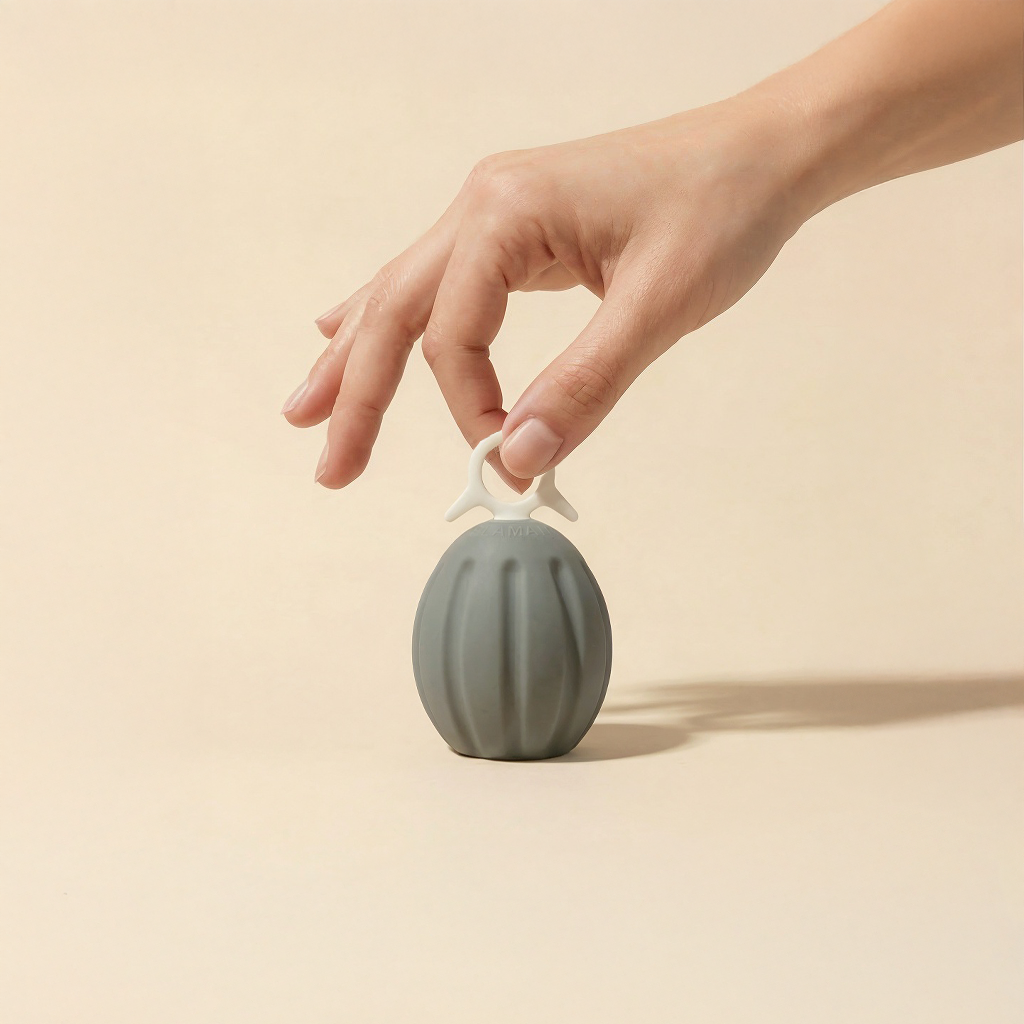
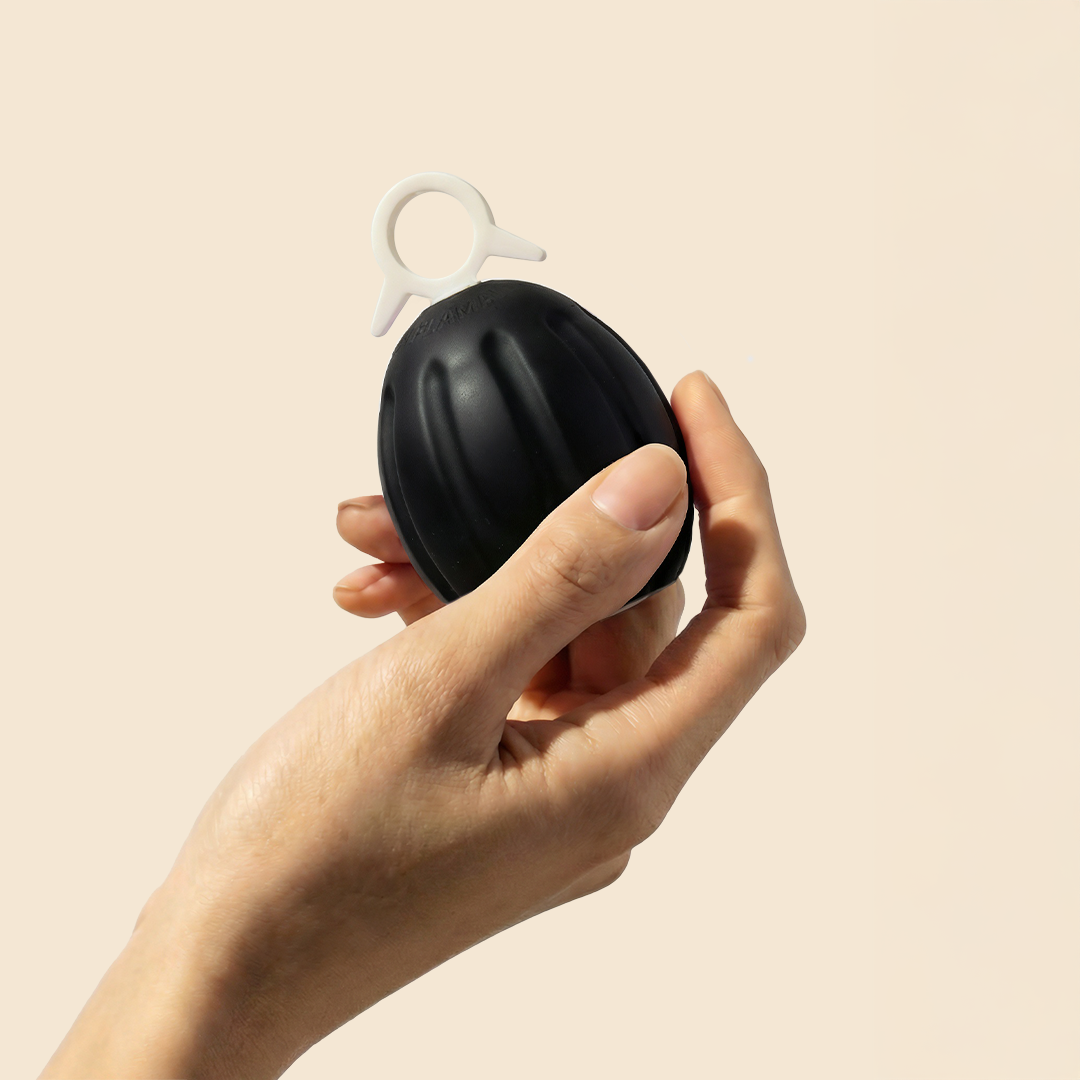
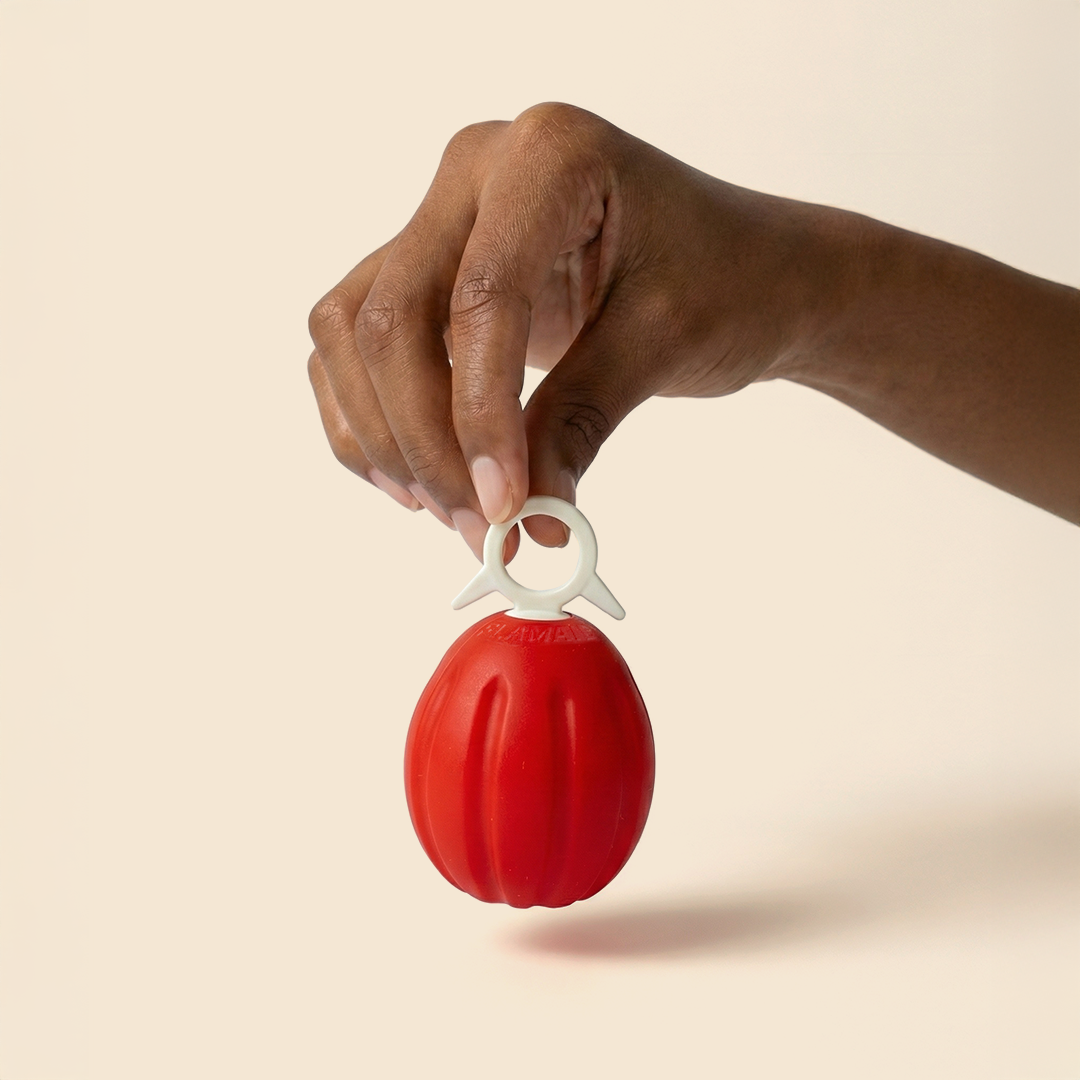
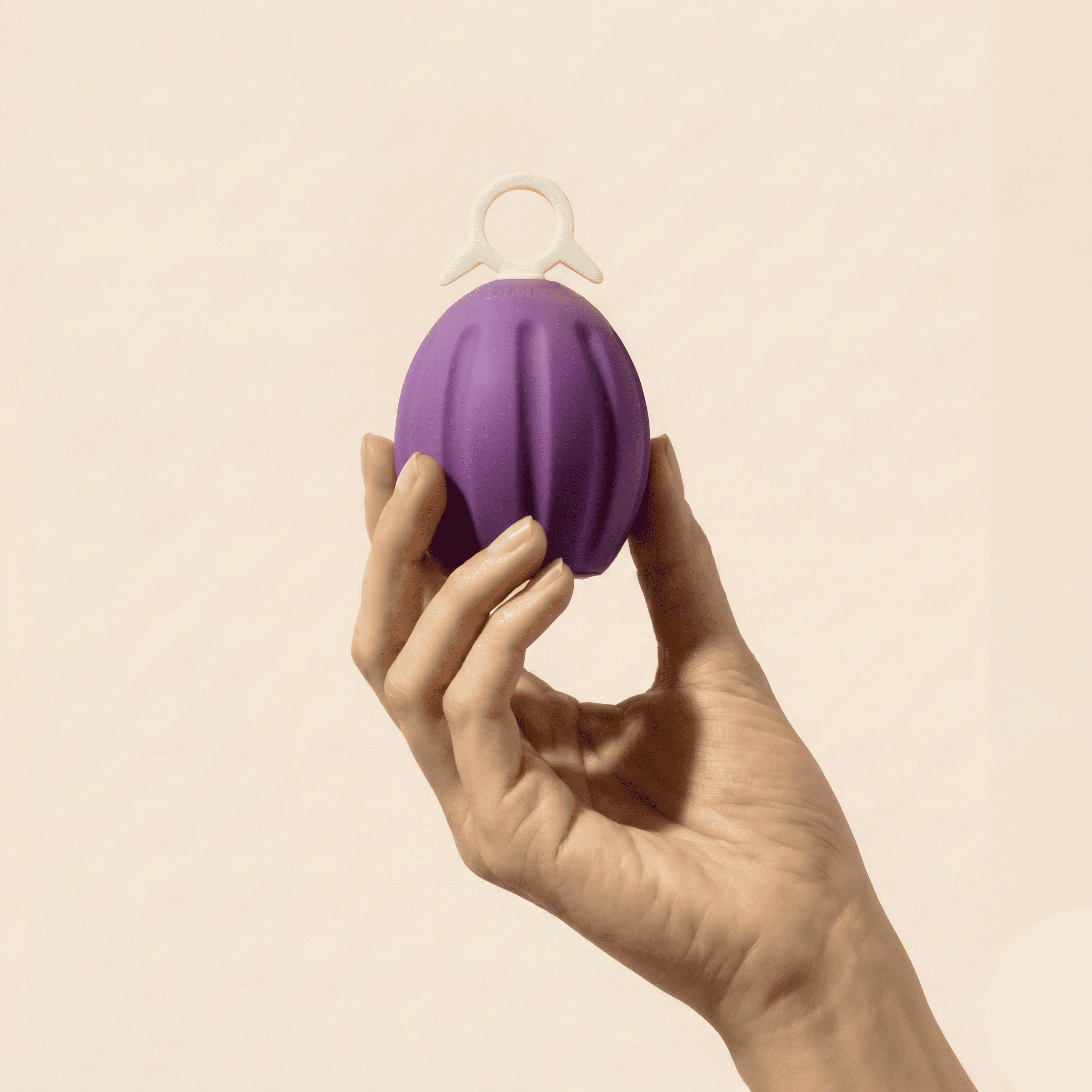
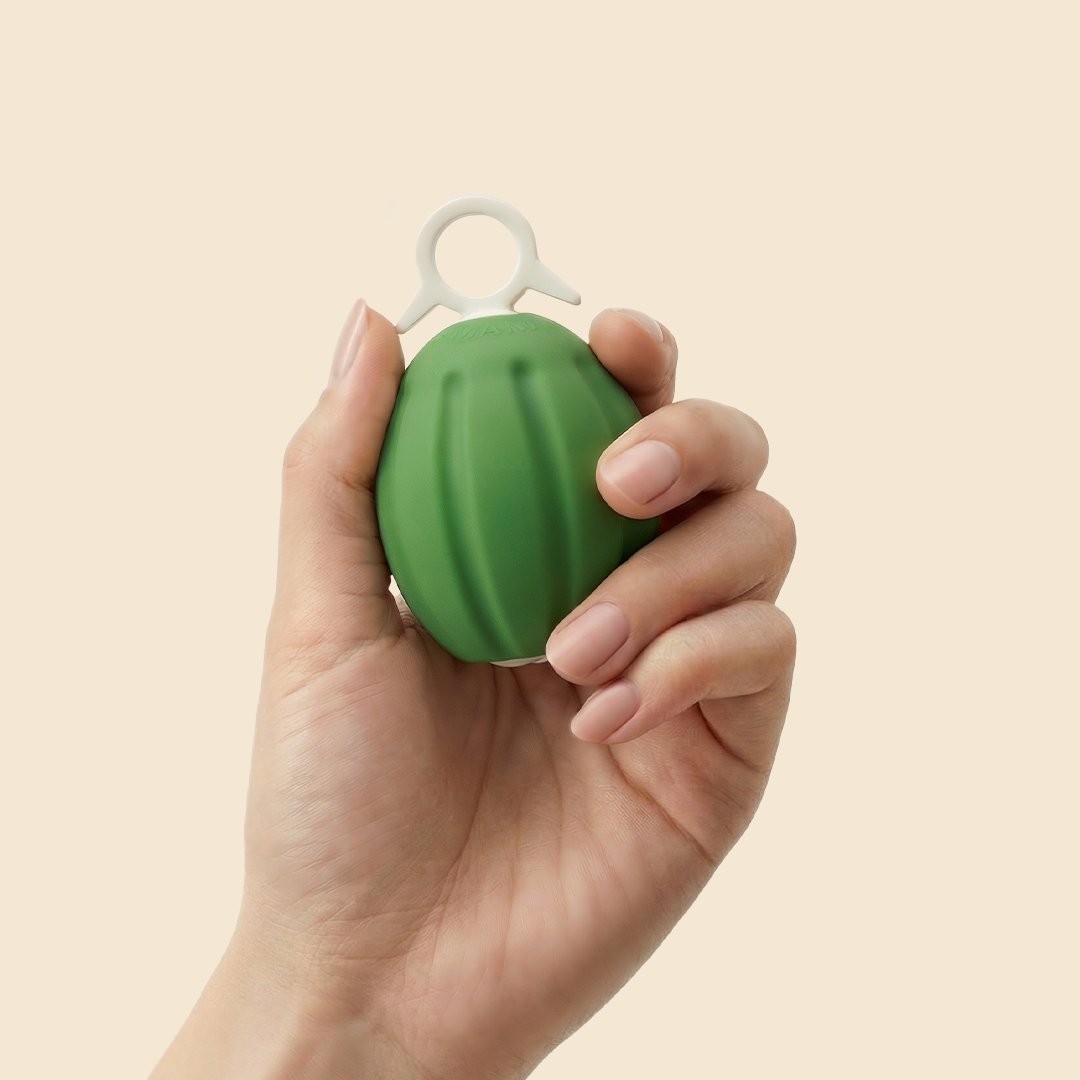
If you're going to carry something, make it do both things: sound loud and let someone know. FlamAid Pro goes off when you pull the ring, sounds at 110 dB and alerts your contacts with your real-time location, with no fee. With the Basic plan, your contacts also see live video and audio, and with the Premium plan (Spain only), an alarm receiving centre also handles your alert 24 hours a day. It comes with a free month of Premium.
Frequently asked questions
Can the alarm scare off a dog that's attacking me?
A loud, sudden noise stops a lot of dogs, but not all of them. Don't rely on it as your only defence.
Can I get into trouble if I set it off for no reason?
Nothing happens. If it's a connected alarm, cancel the alert in the app so your contacts don't worry.
Is an app better than a device?
An app is free and fine as a first step, but in a tense moment, getting your phone out, unlocking it and finding the button takes seconds. A device on your keys goes off with one movement. The ideal is to combine both: the FlamAid app is free and works with or without the device.